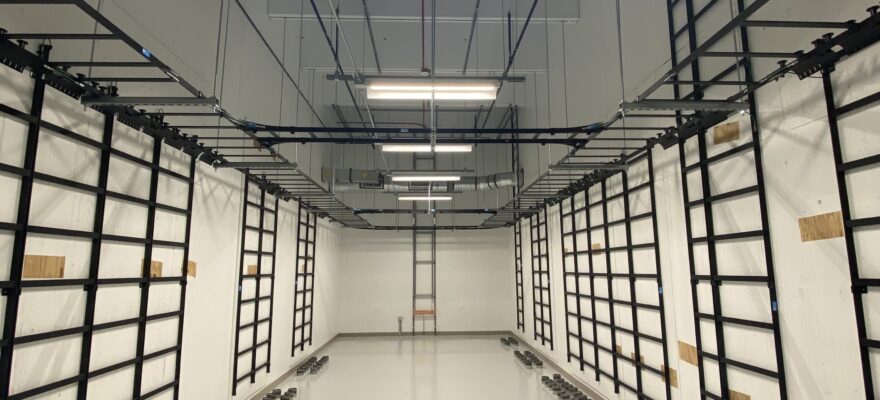

Examine these photos of what we consider to be an exemplary Point of Entry (POE) room for network infrastructure. What elevates this room to such a high standard? It’s in the meticulous attention to details, designed for operational excellence and security. Reaching this level of precision has been a decade-long journey, filled with continual improvements and refinements. Can you identify the specific elements that contribute to this exceptional setup? …
Category: Fiber ISP
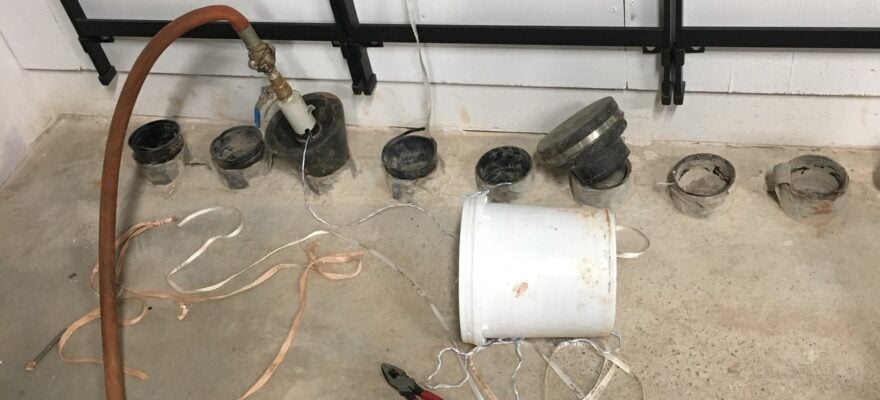
The Down Under Construction crew pulling in a bundle of Maxcell. We have been a fan of this product ever since it came out because it’s completely variable, no pre-determined size and it comes in multiple colors allowing the individual ducts (aka cells) to be assignable. Unlike rigid duct which can contain a lot of wasted space for smaller cables. Watch the DUC crew hard at work. …
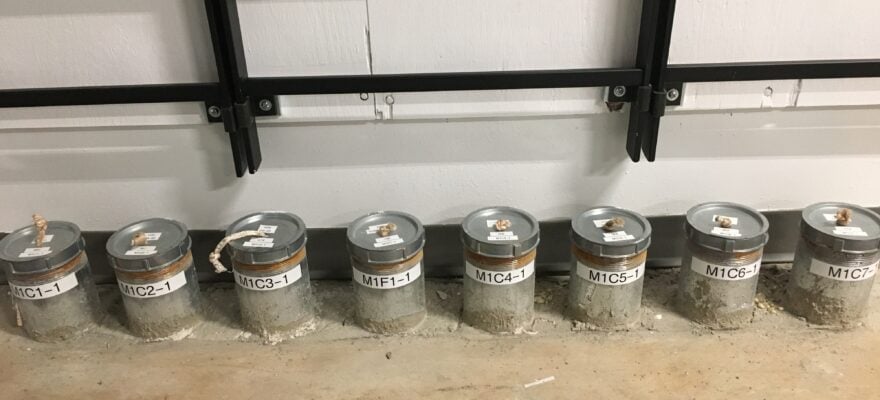
The evolving data center leads me to these subtle but effective changes: …
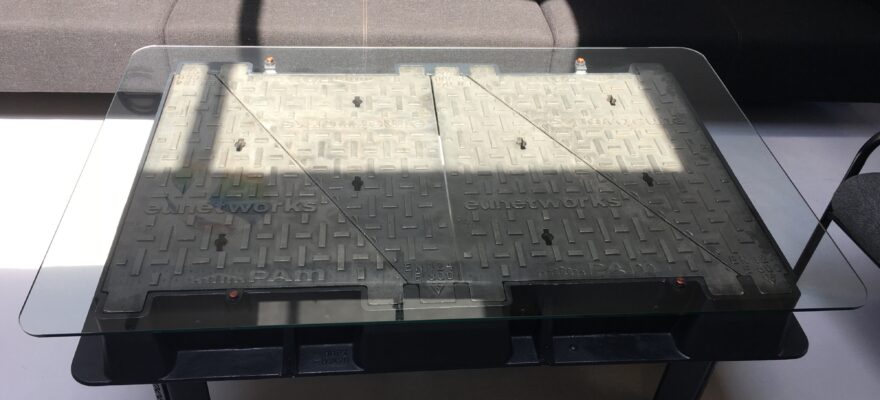
I’ve seen it all now 🙂 A chamber/manhole coffee table earning an A+ in creativity. Courtesy of EUNetworks out of their London office. EUNetworks has been a great partner of ours in the Europe market, highly recommend them as a fibre (spelling?) provider. …
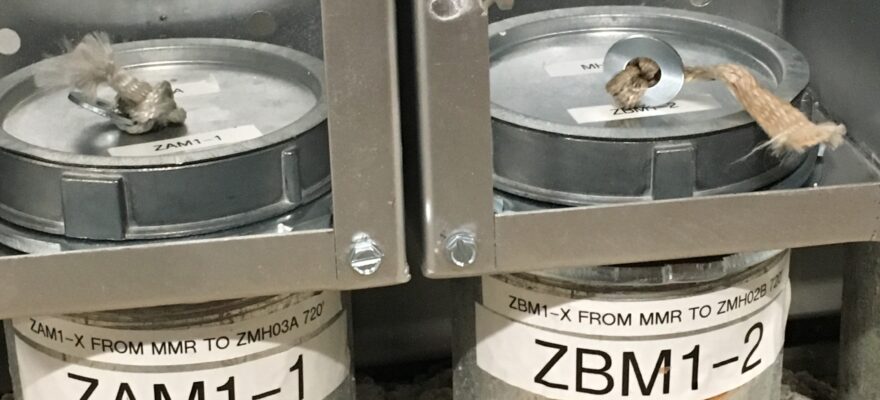
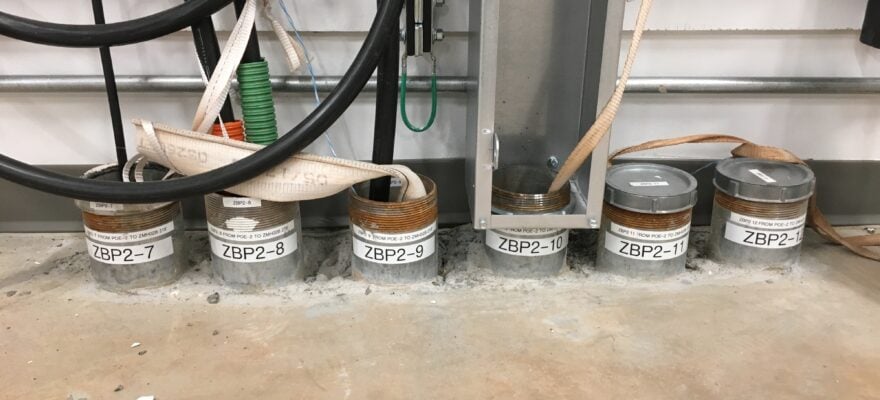
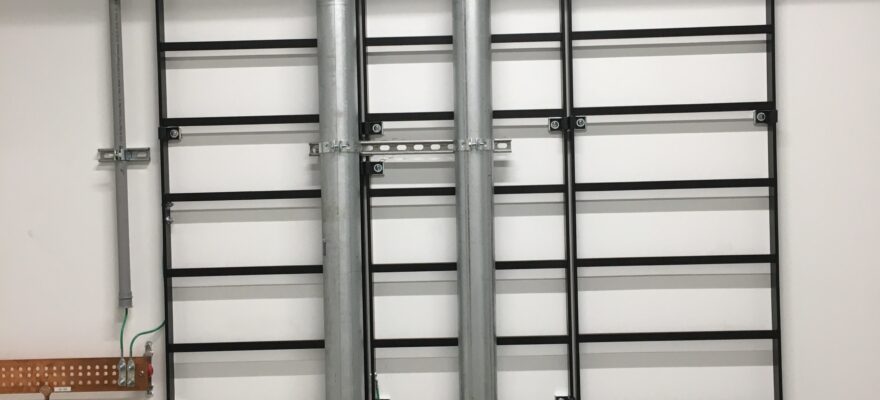
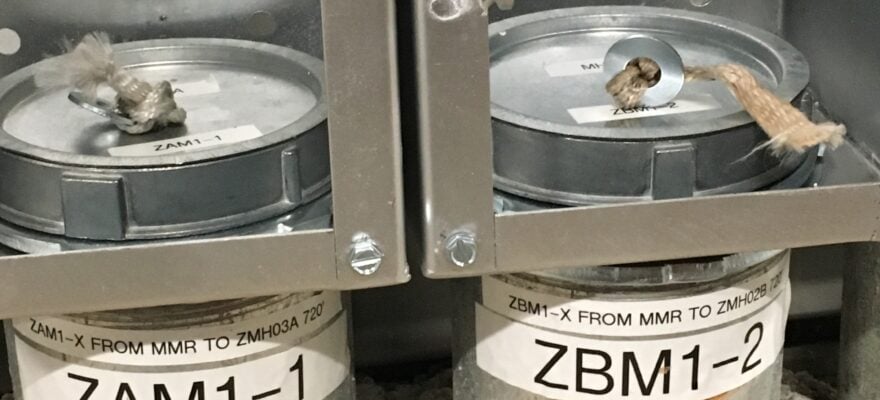
Using a lockable pull box fixed to a conduit allows access for pulling in the fiber. Then fix EMT to the ladder rack and bingo: secured conduits. …
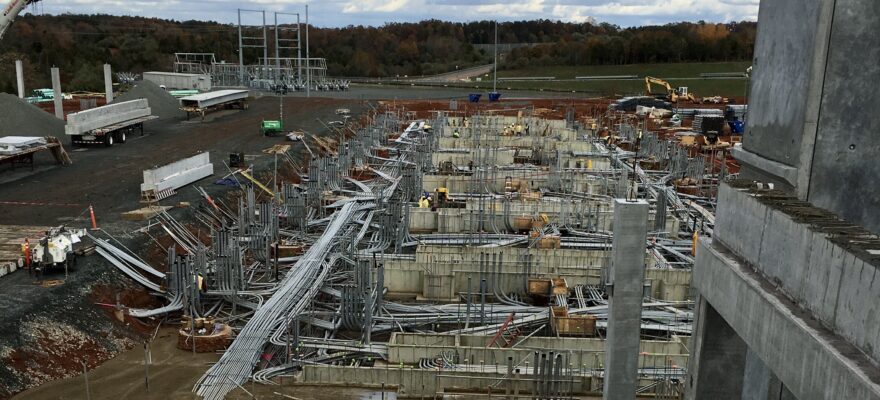
People often ask me whether to choose underground or overhead options for fiber installations. My answer has consistently been: underground! Utilizing underground conduits allows for cable installation without waiting for walls to be erected, which can significantly expedite the project timeline. Moreover, clients and carriers generally prefer the added protection that underground conduits offer in comparison to basket trays. Here’s a weighted matrix I use when evaluating the two options: Criteria Weight Underground Conduits Overhead Basket Trays Client/Carrier Preference 0.30 …

Social Profiles