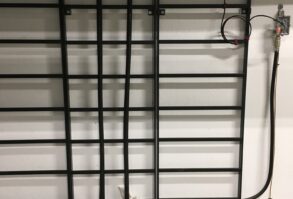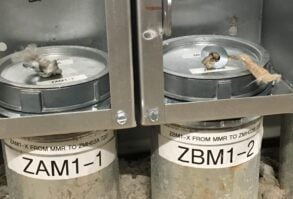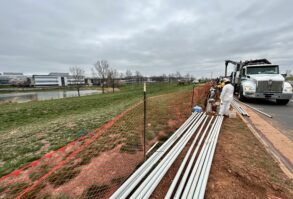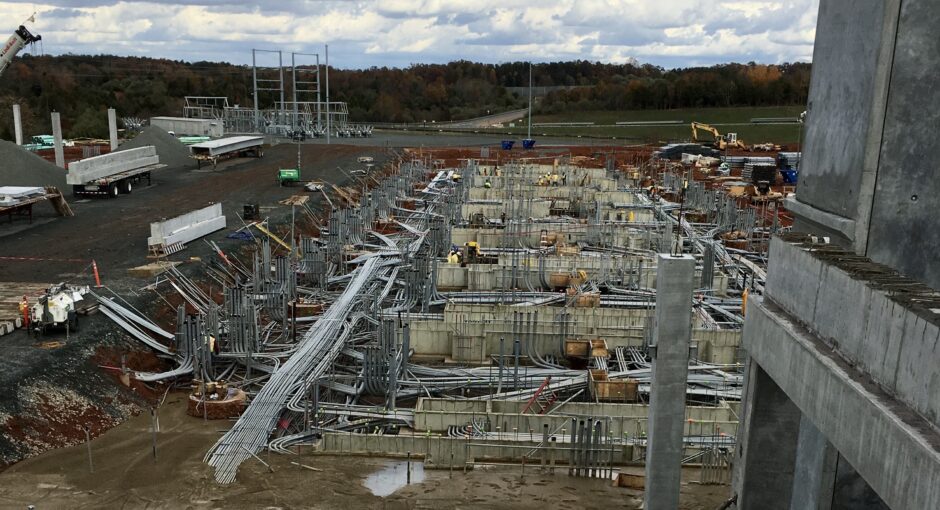

People often ask me whether to choose underground or overhead options for fiber installations. My answer has consistently been: underground! Utilizing underground conduits allows for cable installation without waiting for walls to be erected, which can significantly expedite the project timeline. Moreover, clients and carriers generally prefer the added protection that underground conduits offer in comparison to basket trays. Here’s a weighted matrix I use when evaluating the two options:
| Criteria | Weight | Underground Conduits | Overhead Basket Trays |
| Client/Carrier Preference | 0.30 | 9 | 6 |
| Schedule | 0.25 | 8 | 6 |
| Aesthetics | 0.15 | 8 | 4 |
| Cost | 0.15 | 4 | 8 |
| Reliability | 0.10 | 8 | 4 |
| Flexibility | 0.05 | 4 | 8 |
| Total Score | 1.0 | 7.45 | 6.55 |
Underground conduits tend to be more expensive due to costs associated with excavation, installation, backfilling, and trench restoration, as well as permits and environmental fees. Additionally, the costs of the conduit, cable, and other materials, along with labor for installation and proofing, contribute to the higher expense.
On the other hand, overhead basket trays come with their own set of costs, including the tray itself, cable, related materials, labor for installation, grounding, and ongoing maintenance and repair (ever heard about a scissor lift colliding with the overhead?).
While each option has its pros and cons, the decision ultimately depends on the specific requirements and preferences of clients and carriers. Using a weighted matrix like the one above can help guide the decision-making process in a more structured manner.