

When you develop and build hyperscale data centers—and especially when you live in the world of outside-plant fiber, entrance vaults, zero manholes, and meet-me rooms—you respect the clock of the physical world. Concrete cures at the speed concrete cures. A directional bore under a highway takes as long as the rock says it takes. Reviewing sixteen revisions of a 48×36-inch underground conduit layout takes a sharp pair of eyes, a scale bar, and a quiet afternoon. Then, over the last …
Author: Fiber Dan
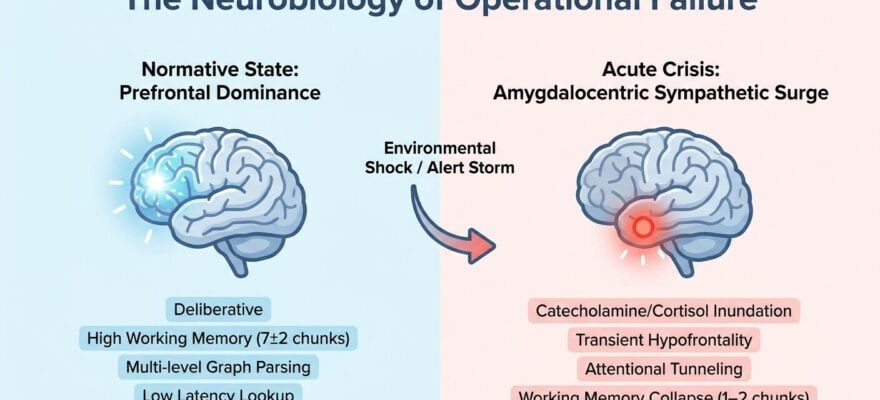
By Daniel “Fiber Dan” Molloy Managing a crisis is like being on drugs. Hear me out. You can read about a drug. Study its chemistry. Have someone explain what it does to perception, attention, and your sense of time. You can understand the description intellectually without knowing what the experience actually feels like from the inside. Reading about an altered state does not put you in that state. That is the exact gap between intellectual understanding and lived experience that …
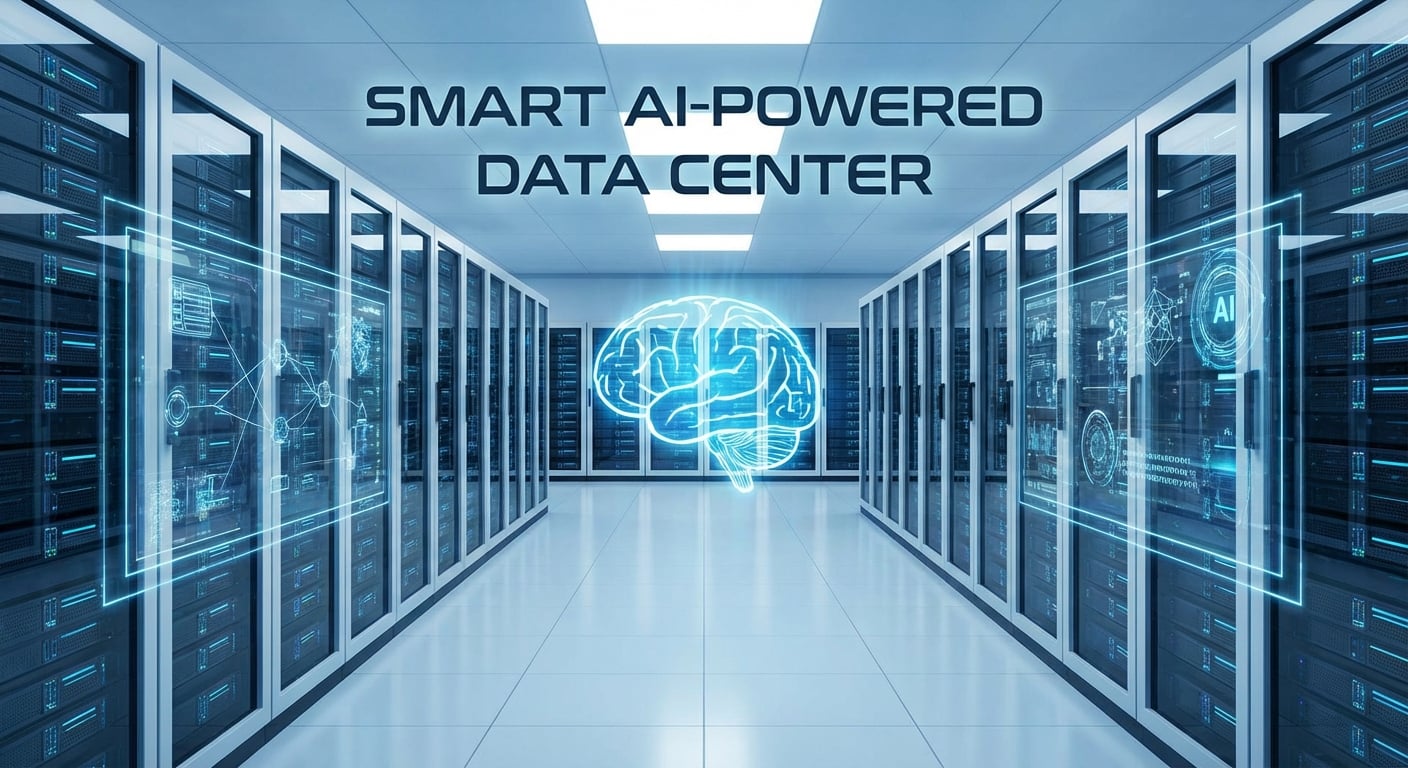
Imagine a fire sprinkler in a data center that can think and adapt like a genius. What if a pump sensorcould make split-second decisions, learning from data to optimize water flow and prevent disasters? This isn’t science fiction – it’s the emerging reality of smart infrastructure. Everyday items once considered “dumb” are being enhanced with sensors, processors, and AI algorithms, effectively giving them a brainpower equivalent to an IQ of 150 (metaphorically speaking). The result is a transformative leap in how we manage critical systems, from firefighting …
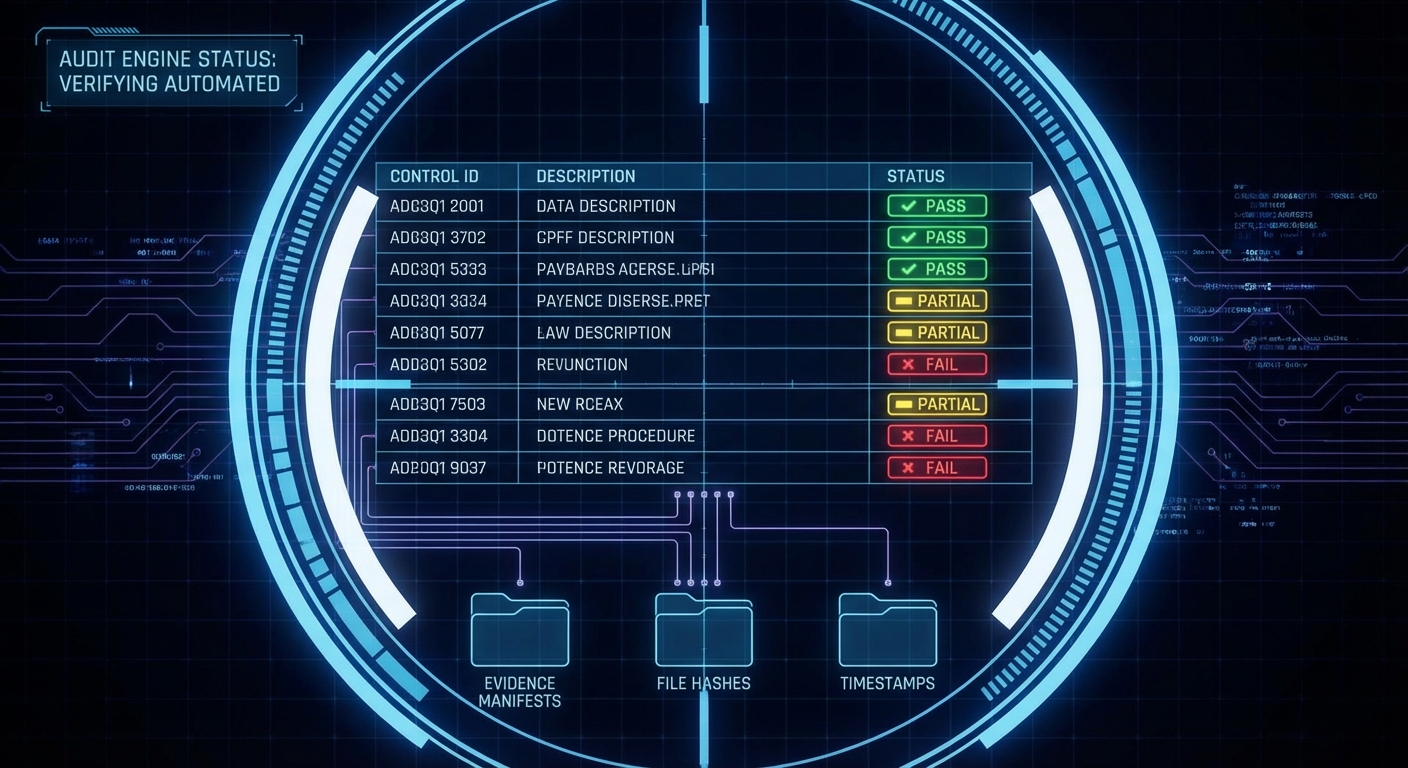
Part 2: How We Taught the Machine to Collect Its Own Evidence This is Part 2 of our compliance automation series. Part 1 covered how we built an Autonomous Auditor that took our compliance score from 1.5% to 93.5% by making policies explicit, scoped, and enforceable. Part 1 ended with a win. We had 187 controls marked “Fully Implemented.” Policies were rewritten with mandatory language. Scope covered IT, OT, and cloud. Ownership was assigned. The auditor simulation passed. Then someone asked the …
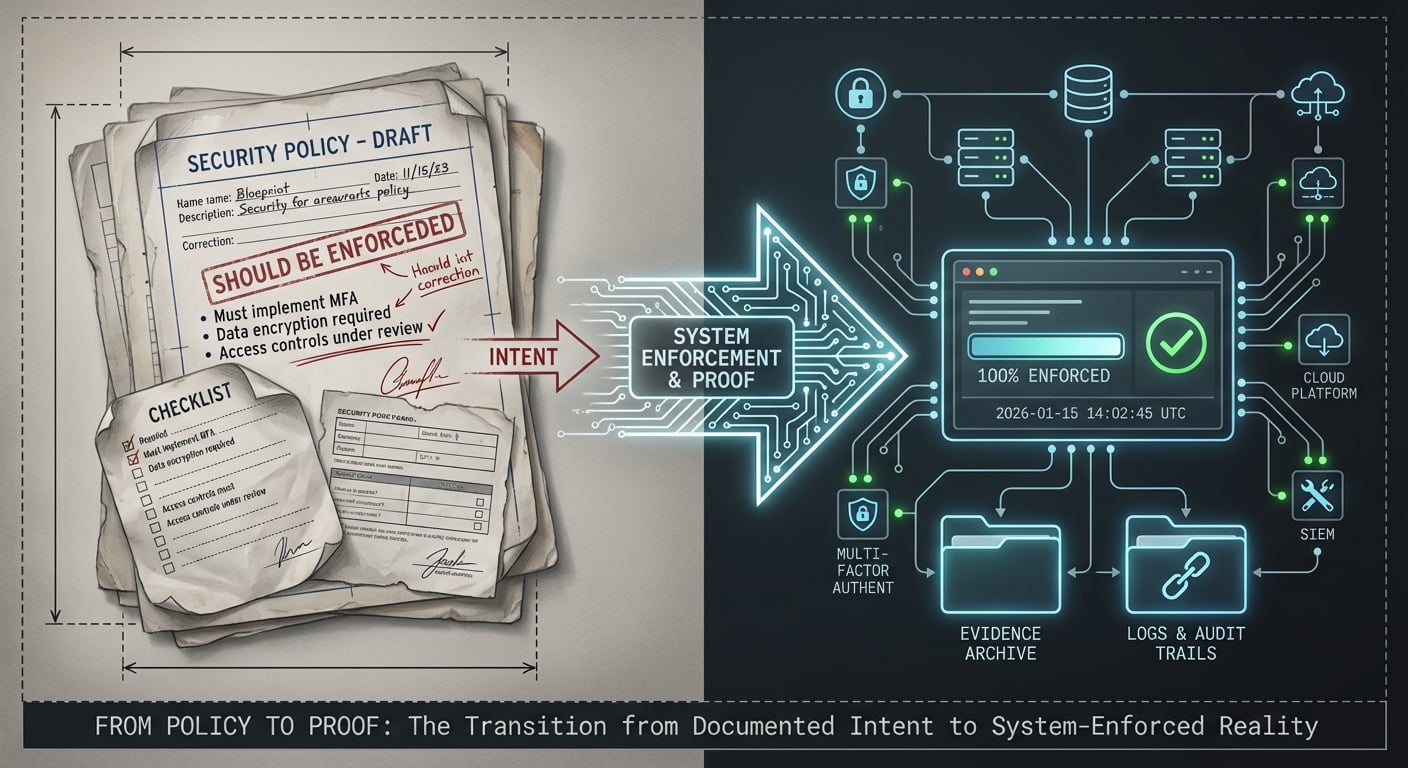
How We Built an Autonomous Assurance Engine—and Why It Changed Everything Most security leaders don’t lose sleep over whether policies exist. They lose sleep over whether those policies will hold up under audit. The uncomfortable truth is that traditional compliance lives in documents, while real security lives in systems. The gap between the two is where audits fail—not because teams are reckless, but because proof is assembled too late, too manually, and too inconsistently. Over the last quarter, we set …
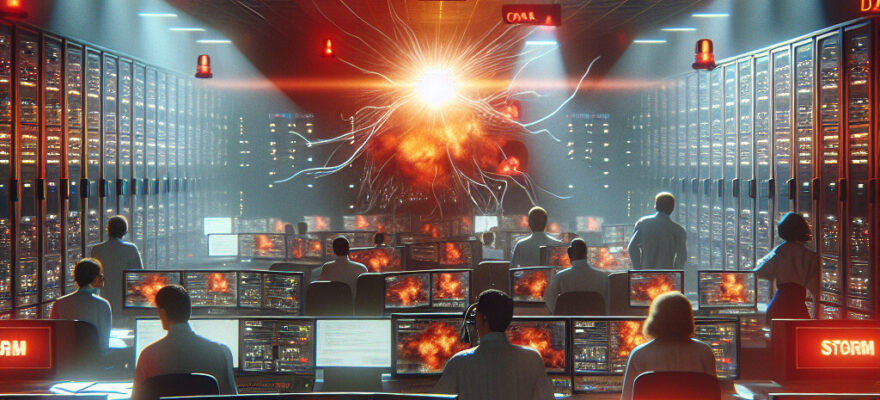
When you run facility controls at scale — chilling megawatts of IT load, regulating air handlers the size of buses, and keeping backup power ready in milliseconds — your network isn’t “just IT.” It’s a life support system for the building. And yet, in many hyperscale data centers, that network still leans heavily on Layer 2 designs drawn from simpler times. In small facilities, Layer 2 Ethernet is easy. In an environment with thousands of controllers… it’s a ticking time …

How a summer thunderstorm taught us the hard way about the hidden vulnerabilities in building automation systems The Scene of the Crime It started like any other Monday morning. Our monitoring system was lighting up like a Christmas tree with alerts: “ge-0/0/27 Down,” “ge-0/0/33 Flapping,” “Multiple Interface Failures.” What we initially dismissed as routine network hiccups quickly revealed themselves as something far more sinister. The logs told a story of chaos: ports 25 through 38 were experiencing widespread instability, with …
https://www.youtube.com/watch?v=3szVaMZ3vJ0 …
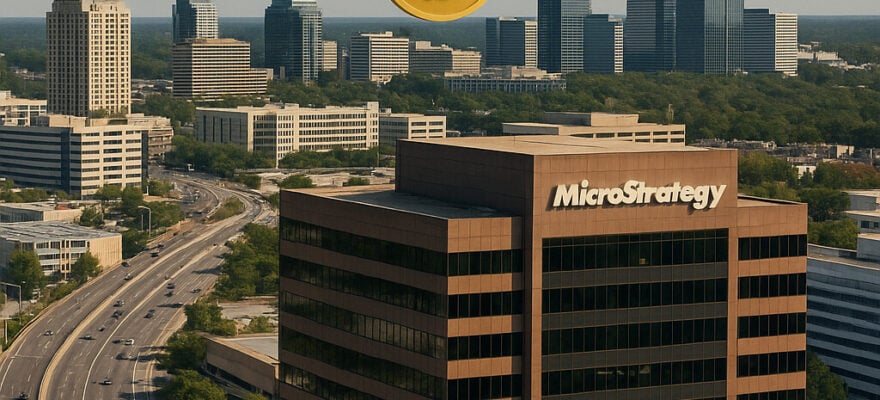
“Northern Virginia is quickly becoming a hub for innovation, just as it was during the rise of America Online.” – Steve Case, Co-founder of AOL. Tysons, Virginia, presents an ideal location to foster a Bitcoin-centric ecosystem, anchored by MicroStrategy’s significant Bitcoin investment. MicroStrategy, under CEO Michael Saylor, has become a vocal proponent and one of the largest corporate holders of Bitcoin. As Saylor himself stated, “Bitcoin is a bank in cyberspace, run by incorruptible software, offering a global, affordable, simple, …

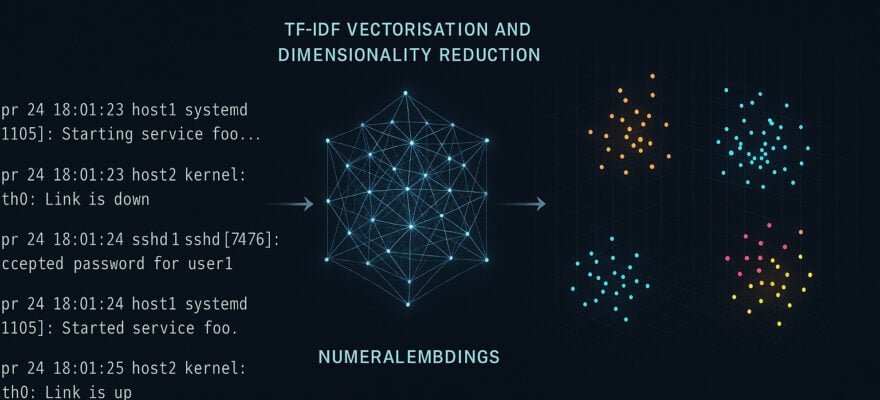
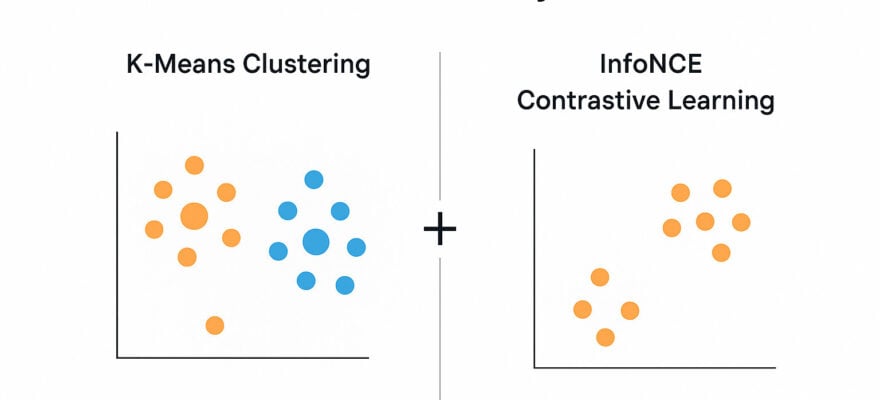
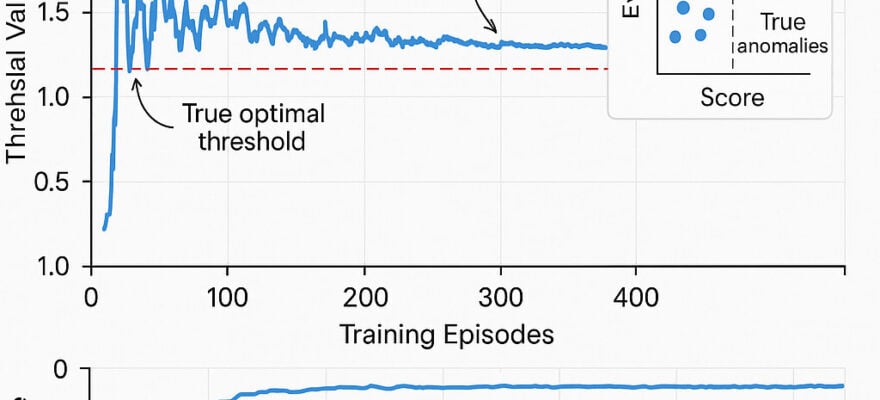
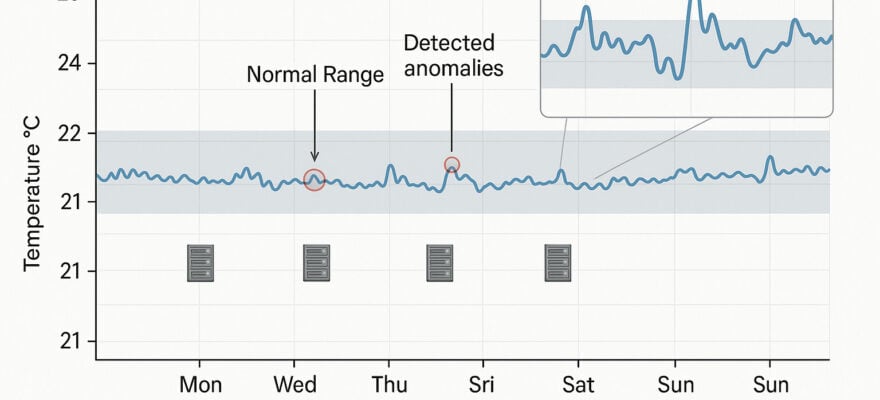
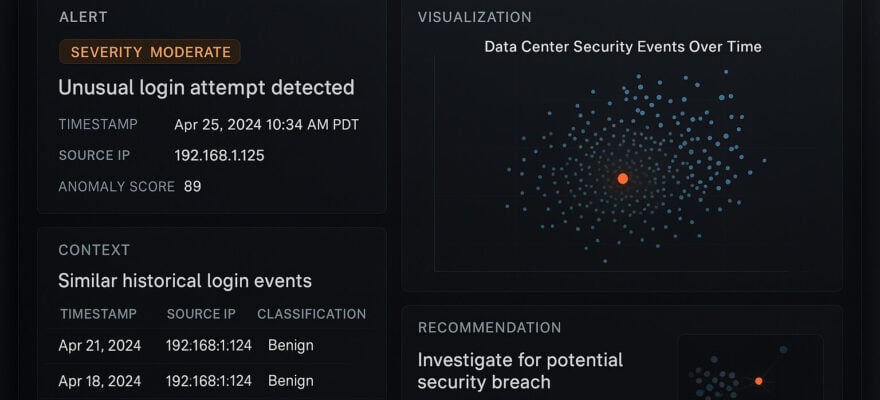
SAD AI – A machine learning-based system for detecting anomalies in syslog data using a combination of K-Means clustering and InfoNCE contrastive learning. The Challenge: Finding Needles in the Haystack In today’s complex IT environments, system logs are generated at an overwhelming rate. A typical enterprise data center can produce millions of syslog messages daily, creating a digital haystack where critical anomalies—indicators of security breaches, system failures, or performance issues—hide like needles. Our operations team faced this exact challenge. They …

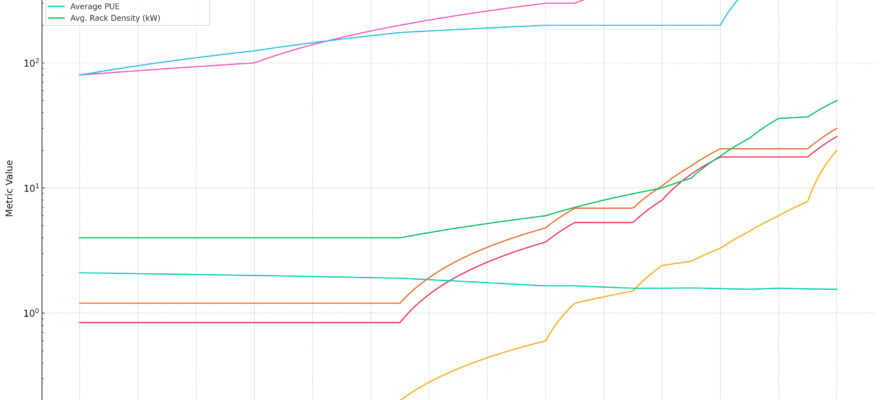
A historical and projected view of global internet and data center traffic, AI trends, power consumption, and other key metrics from 1999 to 2025. These data underpin the time-series comparisons, showing general intra-DC traffic climbing from ~70 EB/mo in 2010 to ~1000+ EB/mo in 2020, and AI cluster traffic jumping from ~0 to dozens of EB/mo over the same interval, with an inflection in the early 2020s due to generative AI. The charts would illustrate the sharp uptrend in AI-driven traffic versus …

Frank Zappa’s whimsical 1992 presidential “campaign” offers a unique lens through which to view today’s political landscape. In an era dominated by unconventional leaders and innovative governmental initiatives, comparing Zappa’s satirical bid to the modern Department of Government Efficiency (DOGE) led by Elon Musk reveals intriguing parallels and contrasts. This essay explores how Zappa’s artistic provocation and DOGE’s technological ambitions reflect evolving approaches to political commentary and reform. Frank Zappa’s 1992 candidacy was primarily an artistic statement. He used his …

Social Profiles