
The Anticipation Turned Frustration
So, last night was supposed to be epic. The big live event on Netflix, something I’d been looking forward to for weeks. And then… buffering. Pixelation. Frustration. I wasn’t alone; social media exploded with other users experiencing the same issues. Some poor person had the buffering appear DURING THE DECISION! As someone who’s fascinated by how these things work, I spent some time digging into what might have gone wrong.
Netflix’s Secret Sauce: Open Connect
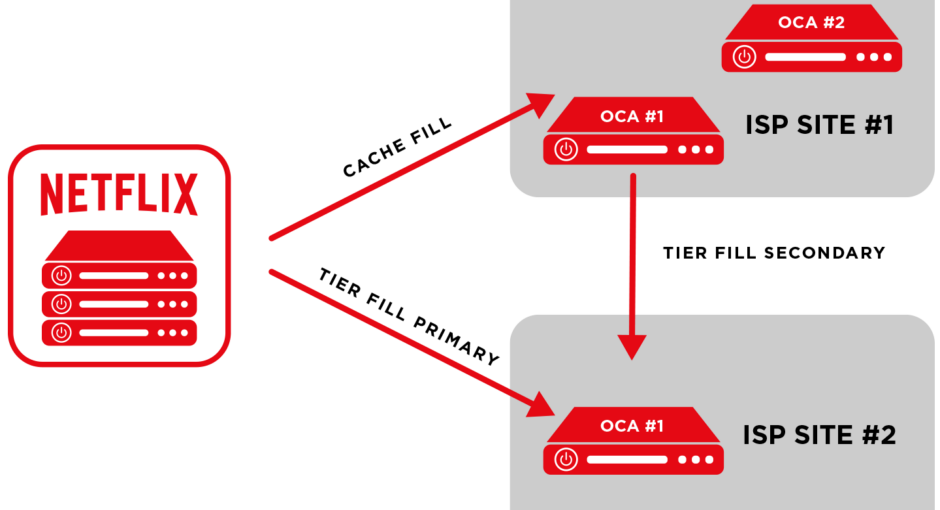
Netflix uses something called Open Connect, their own custom content delivery network (CDN). Think of it as a network of servers strategically placed around the world, designed to store copies of Netflix shows and movies closer to viewers. These servers, called Open Connect Appliances (OCAs), are supposed to mean faster streaming and less buffering. In theory.
The Live Streaming Curveball
Live events throw a wrench into this system. Unlike pre-recorded content, which can be loaded onto OCAs in advance, a live stream creates a huge, simultaneous spike in traffic. Suddenly, everyone’s trying to access the same content at the same time. This puts enormous strain on the whole system.
My Speculations on the Streaming Snafu
Based on my research (and a bit of educated guessing), here are a few potential culprits for the buffering apocalypse:
- Overwhelmed OCAs: Maybe there simply weren’t enough OCAs, or the ones available didn’t have enough storage to handle the massive influx of viewers for the live event. Imagine a digital traffic jam on the information superhighway.
- Content Distribution Chaos: Perhaps the live stream wasn’t distributed evenly across the OCAs. Some servers might have been overloaded, while others were sitting idle, leading to bottlenecks and delays.
- The Dreaded Fill Window: OCAs regularly download updated content during specific times called “fill windows.” If this update process coincided with the live event, it could have hogged bandwidth and left viewers with pixelated screens. Talk about bad timing.
What’s Next? Hopes for Smoother Streaming
While Netflix hasn’t officially detailed the issue, I hope they’re exploring these possibilities: increasing OCAs, optimizing content distribution, refining fill window management, and enhancing peering strategies. As live streaming continues to expand, I’m optimistic that Netflix will address these challenges, ensuring future events are uninterrupted and enjoyable. Fingers crossed for the next big event!
An Altenative Solution: Decentralize!
In the future, a decentralized approach leveraging smart contracts could revolutionize how CDNs manage live streaming surges. By utilizing a distributed network of nodes rather than centralized servers, content can be cached and served dynamically, ensuring efficient load distribution. Smart contracts could automate and optimize traffic management, dynamically directing users to less congested nodes. For example, if you have leftover bandwidth on your 1Gig home internet, a portion could be used to share and distribute the live stream. This participation would not only support the network but also provide you with a bit of revenue in return, thanks to token-based incentives. This decentralized model would also offer greater fault tolerance and enhance trust with secure, transparent blockchain-based monitoring. Overall, this approach promises to increase resilience and efficiency in delivering seamless live streaming experiences.





Social Profiles